

By Sam Halberstadt · Reviewed by Marina Chen
Editor · USCG-licensed Master 50 GT · Updated May 6, 2026
Some links on this page are affiliate links — we may earn a small commission at no extra cost to you. We only recommend gear we'd use ourselves. Read disclosure.
Why this list (and why so short)
USCG fatal-accident data is consistent year over year: 75% of victims drown, and 85% of those weren't wearing a PFD. Cold-water immersion, capsizing, and falls overboard are the leading mechanisms. Almost everything else — fire, collision, medical event — is a small minority.
That means the highest-leverage safety gear addresses water immersion first, communication second, navigation third, and everything else after that. Buy in that order. A $300 inflatable PFD on every body aboard saves more lives than $3,000 of radar.
The 10 categories, ranked
1. Wearable PFDs — one per person, fitted, accessible. Inflatable for adults who'll wear them; foam for kids under 16 (USCG rule).
2. VHF radio — fixed-mount with DSC and a registered MMSI is non-negotiable. A handheld with internal GPS is the ditch-bag backup.
3. Throwable PFD or Lifesling — required by USCG on boats over 16 ft; the Lifesling adds recovery capability that a Type IV cushion lacks.
4. Visual distress signals — flares (in date) for night, orange smoke for day, electronic SOS strobe as a long-life backup.
5. Fire extinguisher(s) — Class B:I minimum, mounted accessible. Replace every 12 years per the new USCG rule.
6. First-aid kit — marine-grade in a waterproof case. Include seasickness meds, EpiPen if anyone in the family is allergic, super glue (yes, for skin), Israeli bandage for major bleeds.
7. Anchor and adequate rode — your stop-button if the engine quits in a current.
8. Bilge pump (and a backup manual one) — sized to handle a sustained leak, not just rainwater.
9. Sound-producing device — air horn or whistle. Required by USCG; useful in fog and crowded anchorages.
10. Navigation lights — proper running lights, anchor light, and spare bulbs. Required from sunset to sunrise.
PFDs: inflatable vs foam, and the wear-rate problem
Inflatable PFDs are slim enough that adults actually wear them — wear rate is the only number that matters. Auto-inflating Hammar HIT models inflate on water-pressure contact, not just spray.
Foam Type II/III is mandatory for kids under 16 by USCG rule and is also the right choice for non-swimmers, anyone with limited mobility, and anyone who might be unconscious in the water (auto-inflators may not orient an unconscious wearer face-up reliably).
Service inflatables annually: weigh the CO2 cylinder, check the bladder, inspect the auto-inflate cartridge expiry. A failed cylinder is a $20 surprise; a failed inflation is a casualty.
Communications: VHF, DSC, and a PLB
A fixed-mount VHF with a registered MMSI sends a one-button distress alert with your GPS position to USCG and every DSC-equipped vessel in range. That's the single biggest safety leap in marine electronics in 30 years — and most boats with DSC capability have never had the MMSI programmed.
Add a personal locator beacon (PLB) clipped to your PFD or to the lifejacket of whoever's on watch. It works anywhere on Earth via the Cospas-Sarsat satellite system, no cell signal required. Battery life is five years; cost is around $300 with free registration through NOAA.
Going offshore: the second-tier list
Once you leave coastal waters (>20 nm from shore), the priority list shifts. Add: registered EPIRB (vessel-mounted, hydrostatic-release), redundant bilge pumping, life raft sized for full crew with 24-hour grab bag, satellite communicator (Garmin inReach or similar), Jordan-series drogue or sea anchor, and a second wholly independent navigation source (paper charts and a hand-bearing compass count).
Coastal cruisers don't need all of this. Offshore cruisers shouldn't leave without it.
Our picks
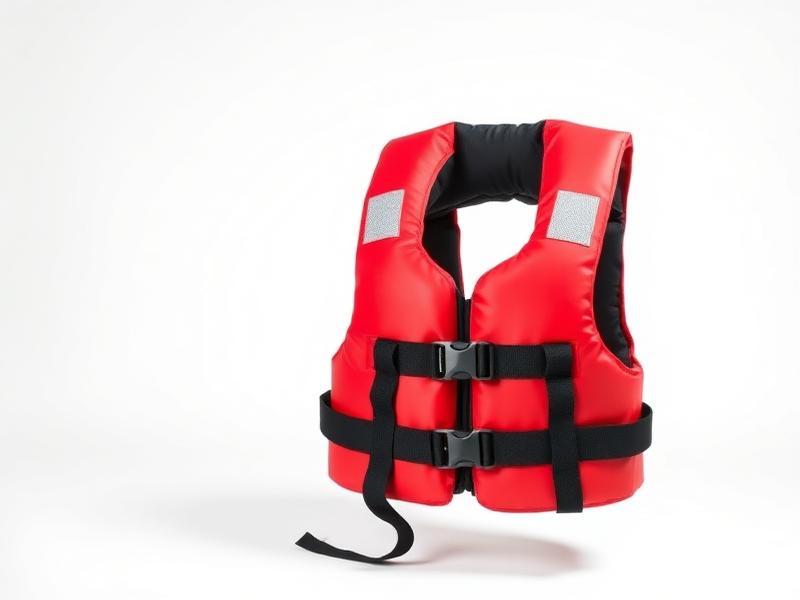 Editor's pick
Mustang Survival HIT Inflatable PFD
$299
- Auto-inflates on water contact (Hammar HIT)
- 5-year service interval
- USCG-approved Type V/II
- Slim enough for adults to actually wear
- Premium price
- Annual rearm kit ~$45
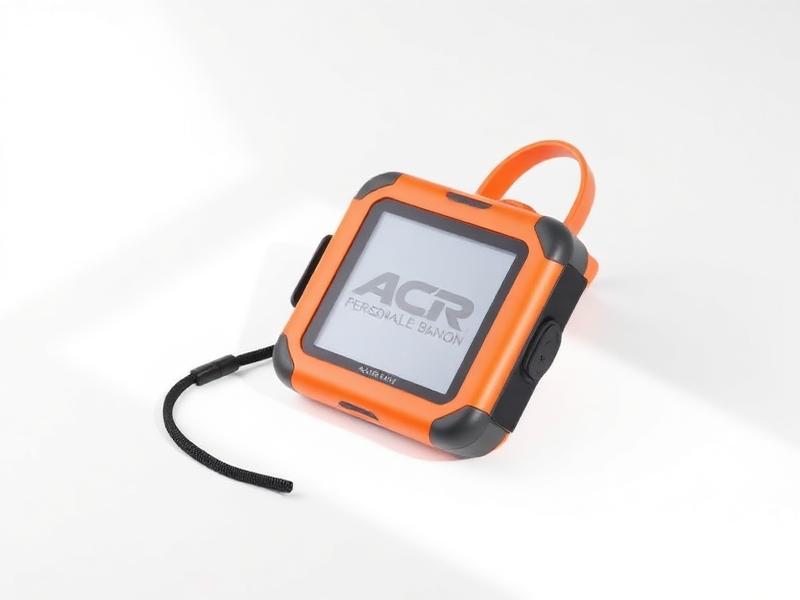
ACR ResQLink 400 PLB
$329
- Floats, no buoy needed
- Free registration with NOAA
- 5-year battery
- Works anywhere on Earth
- Replace battery every 5 years (~$150)
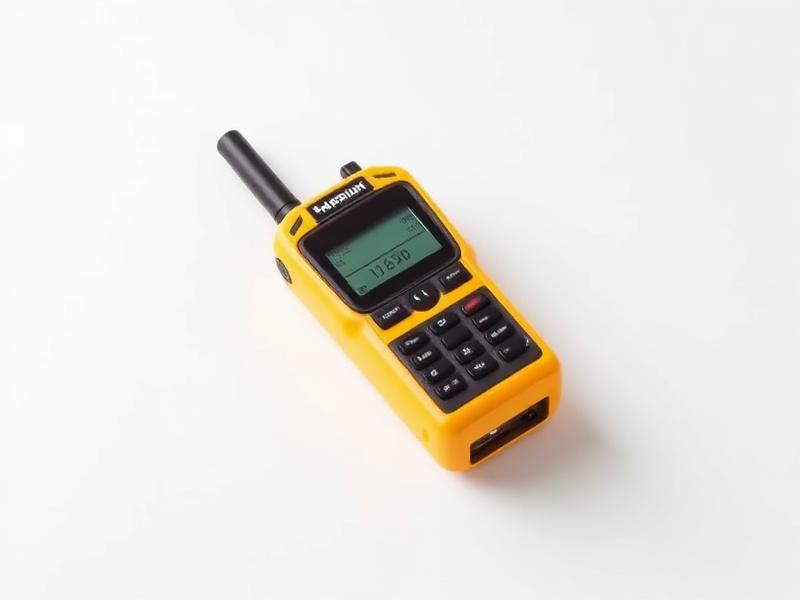
Standard Horizon HX890 Handheld VHF
$249
- Floats and flashes when in water
- DSC with internal GPS
- Lithium battery, ~20 hr
- USB-C charging
- Larger than older handhelds
Frequently asked
A second bilge pump and a registered EPIRB — both make sense the moment you leave protected waters. A jackline and tether system if you sail at night.

