
By Sam Halberstadt · Reviewed by Marina Chen
Editor · USCG-licensed Master 50 GT · Updated May 6, 2026
A properly used VHF radio is the most important safety tool on any boat. This pillar covers radio classes, channel etiquette, DSC distress procedures, and the AIS layer most boaters underuse.
Fixed-mount vs handheld VHF
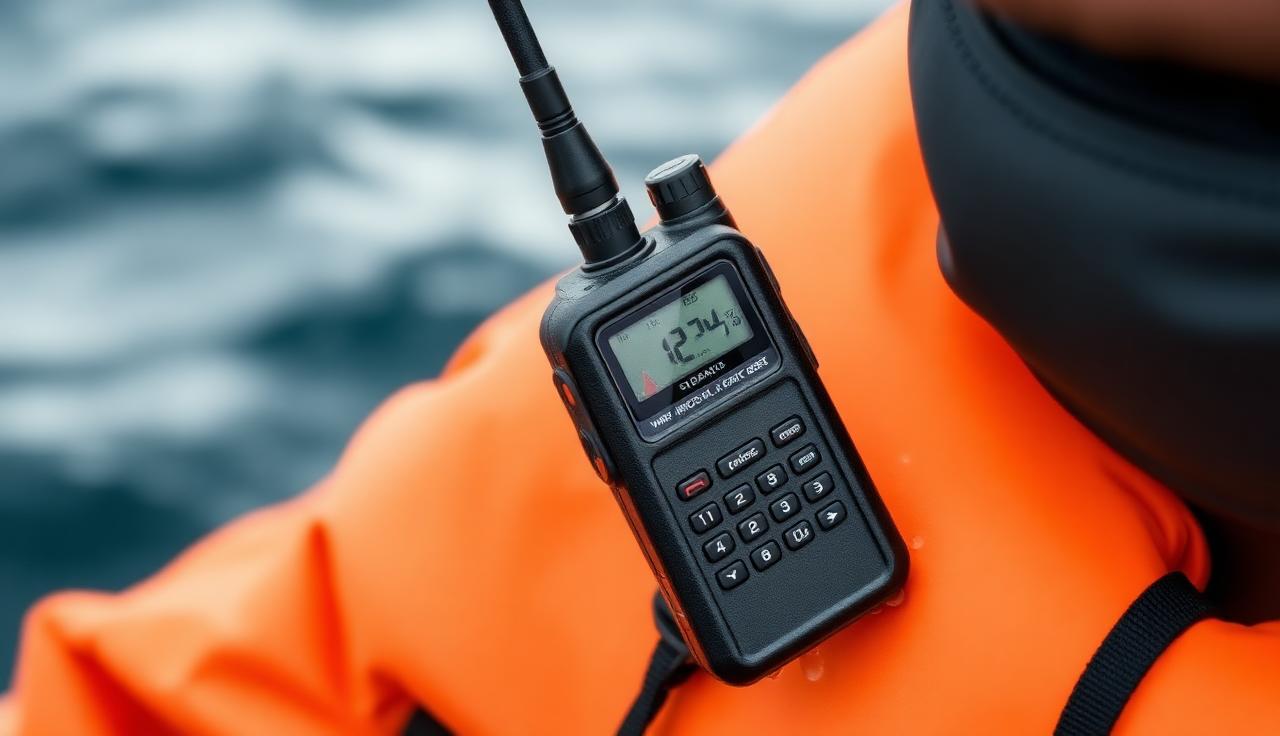
Fixed-mount radios reach 25 watts and ~25 nautical miles. Handhelds at 6 W reach 5–8 nm and double as a ditch-bag radio. Most cruisers carry both.
Channel 16 and channel use
Ch 16 is hailing and distress only. Switch to a working channel (68, 69, 71, 72, 78A) for chitchat. Ch 9 is alternate hailing.
DSC and MMSI registration
Digital Selective Calling lets you send a one-button distress alert with your GPS position to USCG and nearby DSC-equipped boats. Free MMSI registration via BoatUS or FCC.
How to make a Mayday call
Mayday × 3, vessel name × 3, position, nature of distress, persons on board, vessel description. Slow, clear, and on Channel 16.
AIS, weather alerts, and securité
Class B AIS, NOAA weather radio (WX channels), and securité announcements for low-visibility navigation are layers that save lives.
Some links on this page are affiliate links — we may earn a small commission at no extra cost to you. We only recommend gear we'd use ourselves. Read disclosure.
Cluster articles
More in Communications
 Communications
Mastering Marine VHF Communication
Channel use, etiquette, DSC, and the radio drill every captain should run.
 Communications
Marine VHF Channel Reference
Every channel, its allowed use, and the regional differences worth knowing.
 Communications
Best Handheld VHF Radios in 2026
Floating, GPS-enabled, and waterproof — what we'd clip to a PFD.
Frequently asked
Recreational boaters in US waters do not need an FCC license for a VHF on US-flagged vessels staying in US waters. International cruisers need a Ship Station License and a Restricted Operator's Permit.