By Sam Halberstadt · Reviewed by Marina Chen
Editor · USCG-licensed Master 50 GT · Updated May 6, 2026
Some links on this page are affiliate links — we may earn a small commission at no extra cost to you. We only recommend gear we'd use ourselves. Read disclosure.
Test methodology
All anchors tested at 7:1 scope on the same 32 ft Catalina cruiser, with all-chain rode and a calibrated load cell on the bow roller measuring peak pull before the anchor broke free. Set on first try across mud, hard sand, soft sand, and short eelgrass bottoms. Each anchor held a minimum of 30 minutes at backing-down RPM (~1500) before we recorded the final number.
We did not test in coral, gravel, or rock — no anchor design holds reliably in those bottoms, and the answer in all three cases is 'don't anchor there, find a different bottom.'
Each anchor was retrieved and re-set five times in each bottom type to measure first-try set rate, which matters in a crowded anchorage where you only get one chance before the next boat is in your spot.
How we ranked them
Setting reliability: percentage of first-try sets across bottom types. A 95% set rate in sand and 50% in grass averages to a useless number — we report each separately.
Holding power: peak pull in pounds before the anchor broke free at 7:1 scope. The numbers below are sand-bottom values; mud is similar, grass is 30–60% lower for every anchor.
Bottom versatility: how the anchor performs across the four common bottoms versus how it specializes in just one.
Stowability: whether the anchor fits a standard 14–18 inch bow roller without modification, and whether it deploys cleanly from the roller without snagging.
Reset behavior: how the anchor handles a wind or current shift that changes the pull direction by 90°+. Modern roll-bar designs reset; old plows often plow free and skitter.
Sizing an anchor for your boat
Manufacturer recommendations are a starting point, not a final answer. Rocna, Mantus, and Ultra all publish charts indexed by boat length; for a 30–35 ft cruiser they recommend a 33–44 lb anchor.
Size up one increment if any of the following apply: you anchor in soft mud (which gives lower holding per pound than sand), you cruise in areas with high tidal current (the anchor faces lateral loads it wasn't designed for), you regularly leave the boat unattended at anchor, or your boat carries more windage than typical (high freeboard, full enclosure, hard dodger).
Don't size down to save weight on the bow. The whole boat sails better with a properly sized hook because you sleep at anchor instead of waking up every two hours to check the transit.
Modern roll-bar designs vs old-school plows
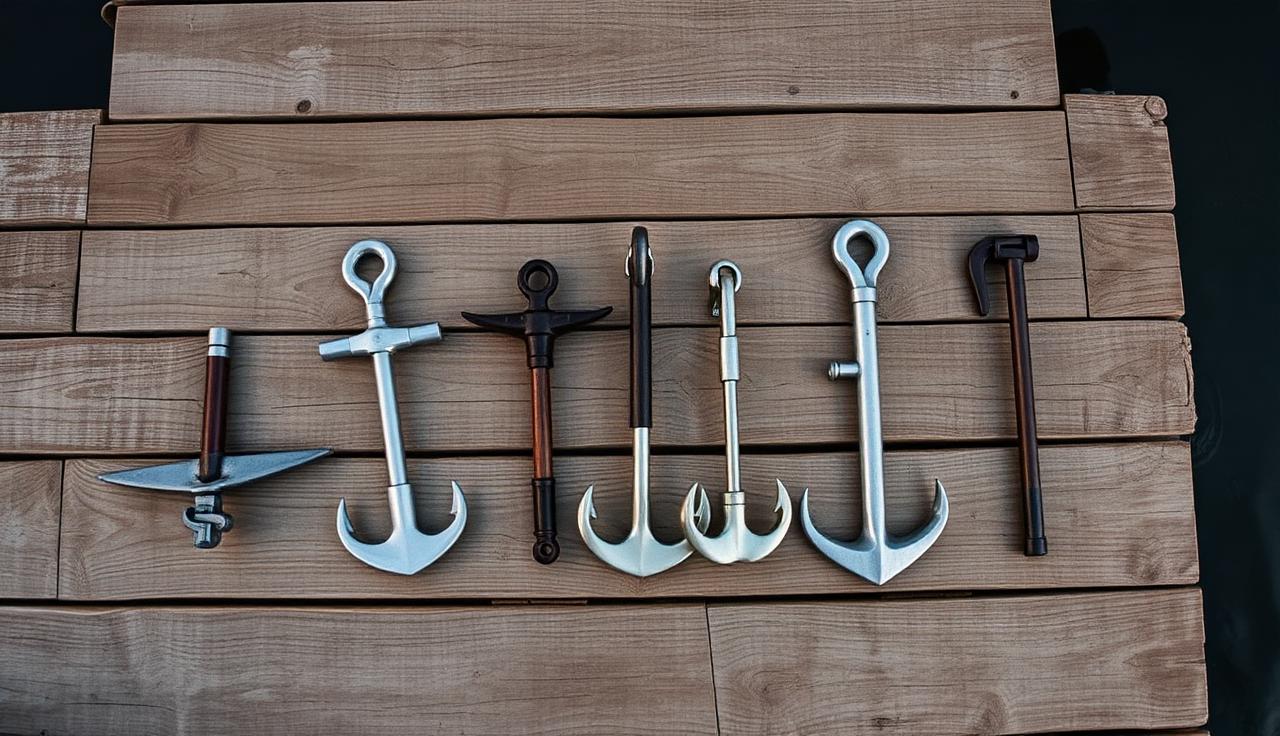
The roll-bar designs introduced by Rocna in 2004 (and copied by Mantus, Ultra, and Manson) changed cruising anchoring permanently. The roll bar forces the anchor to land fluke-down regardless of how it falls, the concave fluke shape engages substrate immediately, and the shape resets on a wind shift instead of plowing free.
Older designs — CQR, Delta, Bruce — were the cruising standard for 30+ years and still work, but lose to modern designs in head-to-head testing in every bottom we tried. If you have an older anchor that's holding fine, there's no urgent reason to replace it; if you're buying new, there's no reason to buy old.
Danforth-style anchors (including the Fortress aluminum version) excel in mud and soft sand but skate badly on hard bottoms and don't reset on wind shifts. Carry one as a backup or kedge, not as a primary in mixed bottoms.
Our picks
 Editor's pick
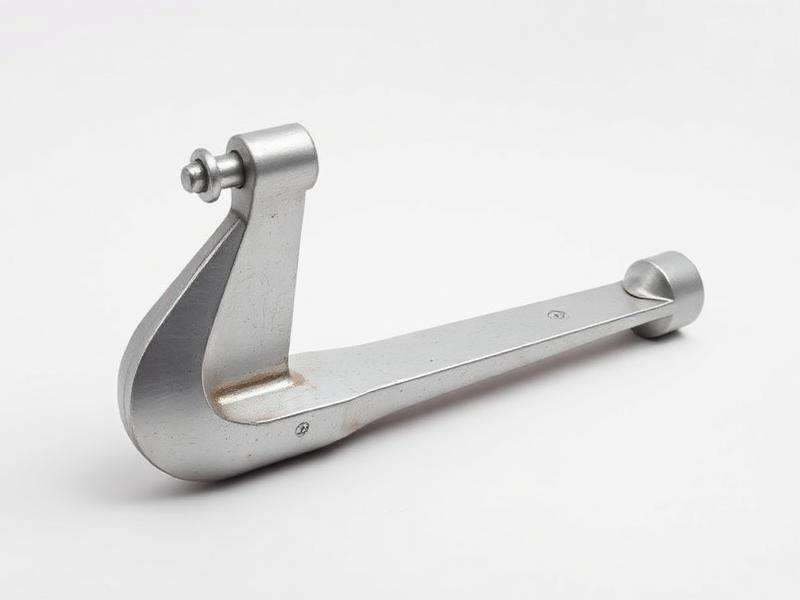
Rocna Vulcan 33
$579
- Sets first try in 9/10 conditions
- Excellent in soft mud
- Fits standard bow rollers
- No roll bar to snag headsail sheets
- Pricier than budget plows
- Heavy to handle by hand
Mantus M1 35 lb
$439
- Disassembles for storage
- Excellent in grass and weed
- Strong holding power across all bottoms
- Sharp toe penetrates hard surfaces
- Three pieces to assemble
- Roll bar can catch headsail sheets
Fortress FX-23
$329
- Aluminum, very light at 15 lb
- Best-in-class holding in mud
- Two flute angles (8°/13°) for sand or mud
- Disassembles flat for storage
- Skates on hard bottoms
- Not for primary use in mixed conditions
Frequently asked
Most modern designs (Rocna, Mantus, Ultra) recommend a 33–44 lb anchor for boats in the 30–35 ft range. Size up one increment if you anchor in soft mud, cruise in high tidal current, or carry unusually high windage.
Keep reading
 Anchoring
How to Anchor a Boat: The Complete Step-by-Step Procedure
The full procedure from approach to set check, with the small mistakes that cause overnight drag.
 Anchoring
Anchor Scope Ratio Explained: 5:1, 7:1, and the Catenary Math That Matters
Scope ratios broken down with the chain catenary effect most calculators ignore.