
By Sam Halberstadt · Reviewed by Marina Chen
Editor · USCG-licensed Master 50 GT · Updated May 6, 2026
Some links on this page are affiliate links — we may earn a small commission at no extra cost to you. We only recommend gear we'd use ourselves. Read disclosure.
What to look for
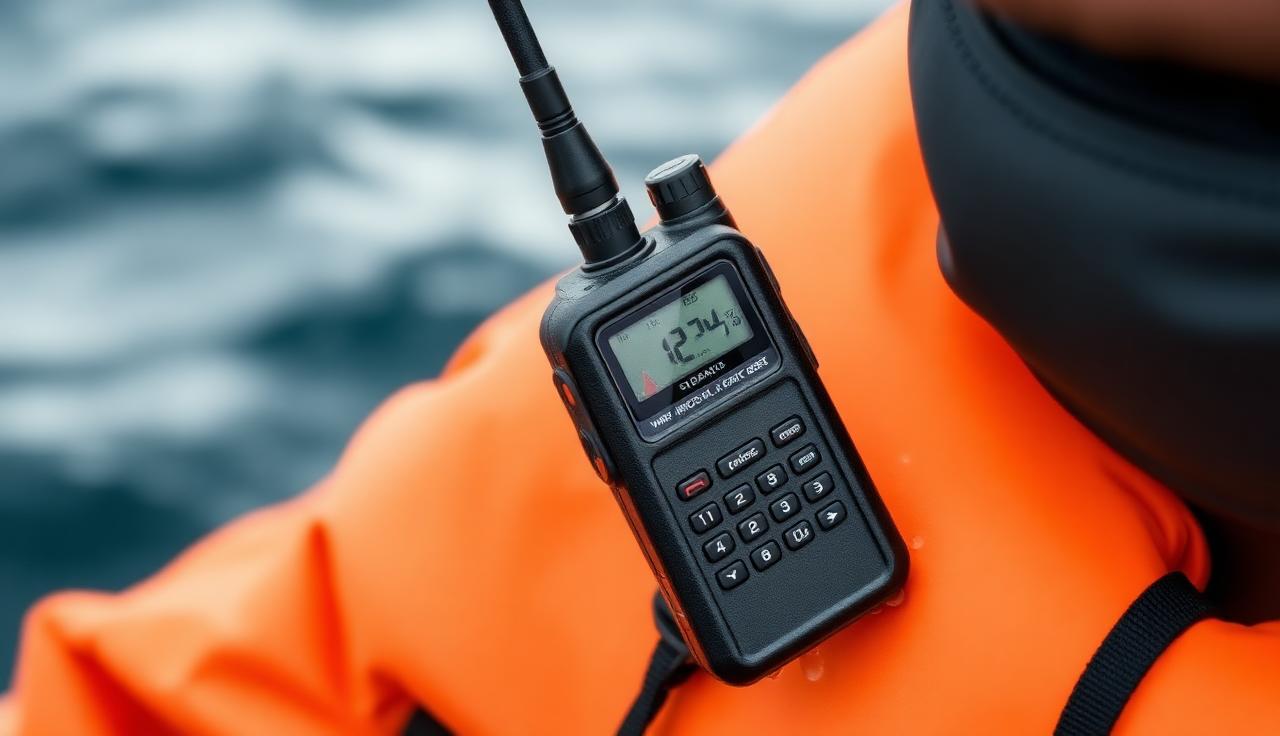
Floats and flashes when dropped overboard. Non-negotiable. A handheld that sinks is useless as a ditch-bag radio.
DSC with internal GPS. The one-button distress alert with position is the single biggest safety feature in marine handhelds. Older models without GPS still have DSC but transmit position 'unknown' — far less useful.
IPX7 or IPX8 waterproofing. IPX7 survives 30 minutes at 1 meter; IPX8 handles full submersion. Both are fine for normal boating; offshore cruisers prefer IPX8.
Lithium-ion battery, 12+ hour life, USB-C charging. Older NiMH batteries are now obsolete.
5–6 watt output (the regulatory maximum for handhelds in the US).
When a handheld is enough on its own
Day-sailing within 5 nm of shore on a small boat (under 22 ft) where a fixed-mount installation isn't practical.
Tender/dinghy use to communicate with the mothership.
Kayaking, paddleboarding, and small-boat fishing where line-of-sight to shore is short anyway.
When you absolutely need a fixed-mount too
Any cruising more than 5 nm from shore. Handheld range from waterline is too short for reliable USCG contact.
Any boat that sleeps aboard. The fixed-mount is what wakes you up to a Mayday or Sécurité broadcast in the middle of the night.
Any boat with crew. Two radios mean two-way comms when one person is forward on deck and another is at the helm.
Battery management
Charge after every trip. Lithium batteries hate being stored at 0% or at 100%; cycle them at 50–80%.
Carry the AA-battery tray adapter (most models include one). When the lithium is dead and you have alkaline AAs aboard, this is the difference between a working radio and a brick.
Replace the lithium battery every 3–5 years. Capacity degrades; an aging battery may show 100% but die under load when you key the mic.
Antenna and accessories that double real-world range
Stock rubber-duck antenna delivers ~5 nm waterline-to-waterline. A good aftermarket antenna (Shakespeare 5101 or similar 1/2-wave whip) extends boat-to-boat range to 7–8 nm and clips to a rail when at anchor.
External speaker mic clipped to a PFD lapel improves audibility under engine noise or in spray, and lets you key the radio without fishing it out of a foul-weather pocket.
12V DC charger or cradle wired into the boat's panel keeps the handheld topped up between trips. Critical because lithium batteries self-discharge ~5% per month — a forgotten radio is a dead radio when you actually need it.
Our picks
 Editor's pick
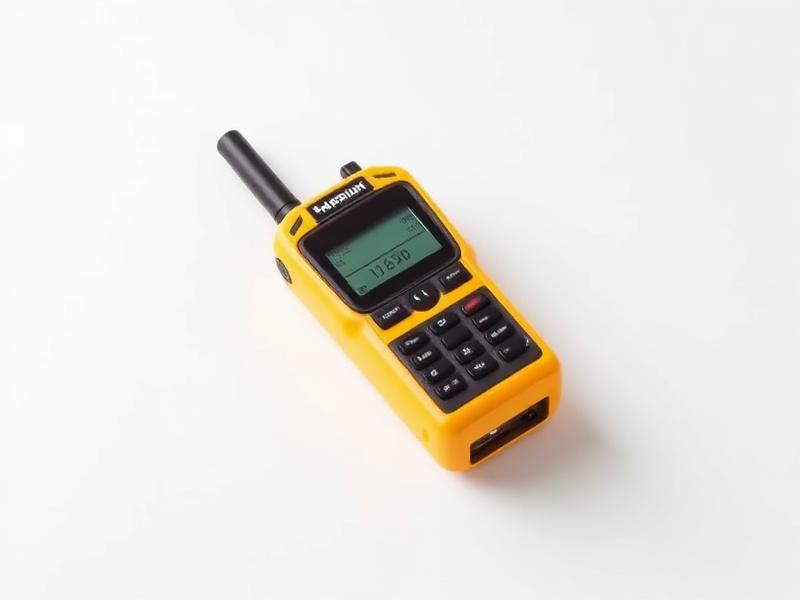
Standard Horizon HX890
$249
- Floats and flashes orange when in water
- DSC with internal GPS
- USB-C charging
- Lithium battery, ~20 hr life
- Best-in-class audio
- Larger than older models
Icom IC-M37
$169
- Compact, lightweight
- Floats and flashes
- Long battery life
- Excellent build quality
- No GPS / DSC
- Older USB-Mini charging
Standard Horizon HX40
$129
- Smallest waterproof handheld on the market
- Floats
- Great as a dinghy radio
- USB-C
- Lower 2.5W output (handheld 'mini' class)
Frequently asked
Yes if it's your primary radio or your ditch-bag radio. The one-button distress alert with GPS position is the biggest safety leap in marine radios in 30 years.

