
By Sam Halberstadt · Reviewed by Marina Chen
Editor · USCG-licensed Master 50 GT · Updated May 6, 2026
Some links on this page are affiliate links — we may earn a small commission at no extra cost to you. We only recommend gear we'd use ourselves. Read disclosure.
Test methodology
20 lb of cubed ice in each cooler, 95°F ambient temperature, in direct Florida sun for 8 hours/day.
First 72 hours: no openings (baseline ice retention).
Next 96 hours: 6 openings per day for 30 seconds each (real-world drink-and-snack use).
Ice weighed daily. Test ended when remaining ice fell below 1 lb. All coolers were 45 qt class.
What separates premium from budget
Wall thickness: Yeti and RTIC use 2+ inches of polyurethane foam in roto-molded shells. Igloo BMX uses about 1 inch of similar foam — that's most of the ice-retention gap.
Gasket seal: roto-molded coolers have full-perimeter freezer-grade gaskets. Budget coolers have partial gaskets or none.
Build quality: roto-molded shells survive being stood on, dropped, used as a casting platform. Plastic blow-molded coolers crack at hinge points after 2–3 seasons.
Lifetime warranty: Yeti, RTIC, and most premium brands cover the cooler indefinitely against manufacturing defects. Budget brands typically warrant 1 year.
Sizing for boat use
20–35 qt: day trips, 2–4 people, drinks + lunch.
45–65 qt: weekend trips, 4–6 people, or fish storage on a center console.
100+ qt: multi-day cruises, large fish, or a beverage-only cooler that lives in the cockpit all season.
Measure your boat's intended cooler space before ordering. Roto-molded coolers are 25% larger externally than equivalent volume blow-molded.
Tips for maximum ice retention
Pre-chill the cooler 12+ hours before loading with ice. A 95°F cooler eats 5 lb of ice just cooling itself down.
Use block ice for the bottom layer (lasts 2–3× cubed ice), cubed ice on top for drink chilling.
Keep the cooler in shade. A cover or shade canopy adds 1–2 days of retention in Florida sun.
Don't drain the meltwater. Cold water keeps remaining ice colder than air does. Drain only when you need to add fresh ice.
Soft coolers, electric coolers, and the new categories
Soft coolers (Yeti Hopper, RTIC Soft Pak): 1–2 days of ice, one-third the weight of hard rotomolded, fold flat for storage. Right call for tender trips, beach days, or anywhere a hard cooler doesn't fit. Don't replace a hard cooler for multi-day use.
Electric / 12V coolers (Dometic CFX3, ARB Zero): true compressor refrigeration powered by the boat's battery. No ice needed — they hold 32–38°F indefinitely while running. Draw 1–2 amps continuous; pair with a small lithium house battery or solar panel for multi-day use. Game-changing for liveaboards and serious offshore fishermen.
Wheeled hard coolers (Yeti Tundra Haul, RTIC Wheeled): same insulation as standard rotomolded, with cart wheels for ramp-to-boat hauling. Worth the $50 premium if you single-hand load your boat at the ramp.
Our picks
 Best overall
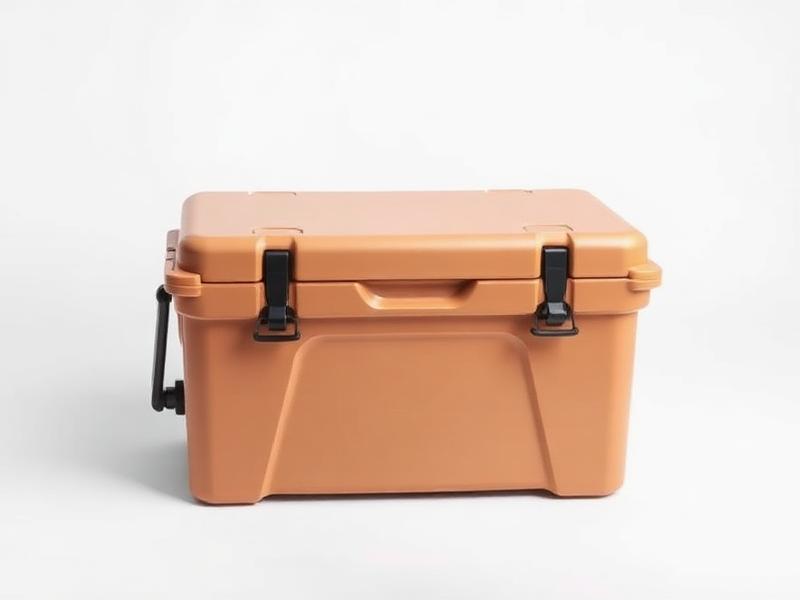
Yeti Tundra 45
$325
- 6+ days of ice in our test
- Bombproof build (ours is 8 years old)
- Lifetime warranty
- Bear-proof certified
- Heavy (23 lb empty)
- Premium price
Best valueRTIC 45
$219
- 5+ days of ice (within a day of Yeti)
- 75% the price of Yeti
- Roto-molded construction
- Lifetime warranty
- Slightly less polished build
- Latches are stiffer than Yeti's
Igloo BMX 52
$99
- Light (15 lb empty), easy to lift
- 3–4 days of ice
- Durable injection-molded build
- Great budget pick
- Less ice retention than rotomolded
- 1-year warranty only
Frequently asked
If you boat 20+ days a season, yes. The ice retention pays for itself in unspoiled food and saved ice runs over 2–3 seasons.