By Sam Halberstadt · Reviewed by Marina Chen
Editor · USCG-licensed Master 50 GT · Updated May 6, 2026
Some links on this page are affiliate links — we may earn a small commission at no extra cost to you. We only recommend gear we'd use ourselves. Read disclosure.
Inflatable vs foam
Inflatable: low-profile, comfortable, hot-weather friendly. Auto-inflate on water contact (Hammar HIT) or pull-tab manual. Adults wear them all day; that's the entire game.
Foam Type II/III: bulky but always-on flotation, no servicing. Mandatory for kids under 16 by USCG rule. Right choice for non-swimmers, anyone with limited mobility, and anyone who might be unconscious in the water.
Belt-pack inflatable: smallest profile, manual inflation only. Legal as a single device for adults; popular with kayakers and PWC riders.
Auto-inflate trigger types
Hammar HIT (hydrostatic): triggers on water pressure at 4 inches submerged. Won't false-trigger on rain, spray, or heavy condensation. The premium standard for offshore PFDs.
Bobbin (cartridge): triggers when the bobbin dissolves on water contact. Cheaper, but can false-trigger in heavy rain or condensation. Replace the bobbin annually.
Manual: pull a tab to fire the CO2. Cheapest, requires you to be conscious. Good for confident swimmers in warm water.
Sizing and fit
Adult inflatables: most are universally sized via adjustable straps. Check chest size on the manufacturer's chart anyway.
Kids' foam: USCG sizes by weight (Infant <30 lb, Child 30–50 lb, Youth 50–90 lb). The PFD must lift the chin clear of the water — check by pulling up on the shoulders; if the PFD slides up over the head, it's too big.
Try it on with the clothes you'll wear (foul-weather gear in cold weather, swimsuit in hot). A PFD that fits in shorts may not fit over a winter offshore jacket.
Maintenance
Annual: weigh the CO2 cylinder (compare to label weight ±5g), inspect the bladder for pinhole leaks (oral-inflate and leave overnight), check the auto-inflate cartridge expiry date.
After every immersion: rinse with fresh water, air dry fully before stowing.
Replace the entire PFD every 10 years regardless of condition. UV degrades the bladder material even if it looks fine.
USCG Type categories explained
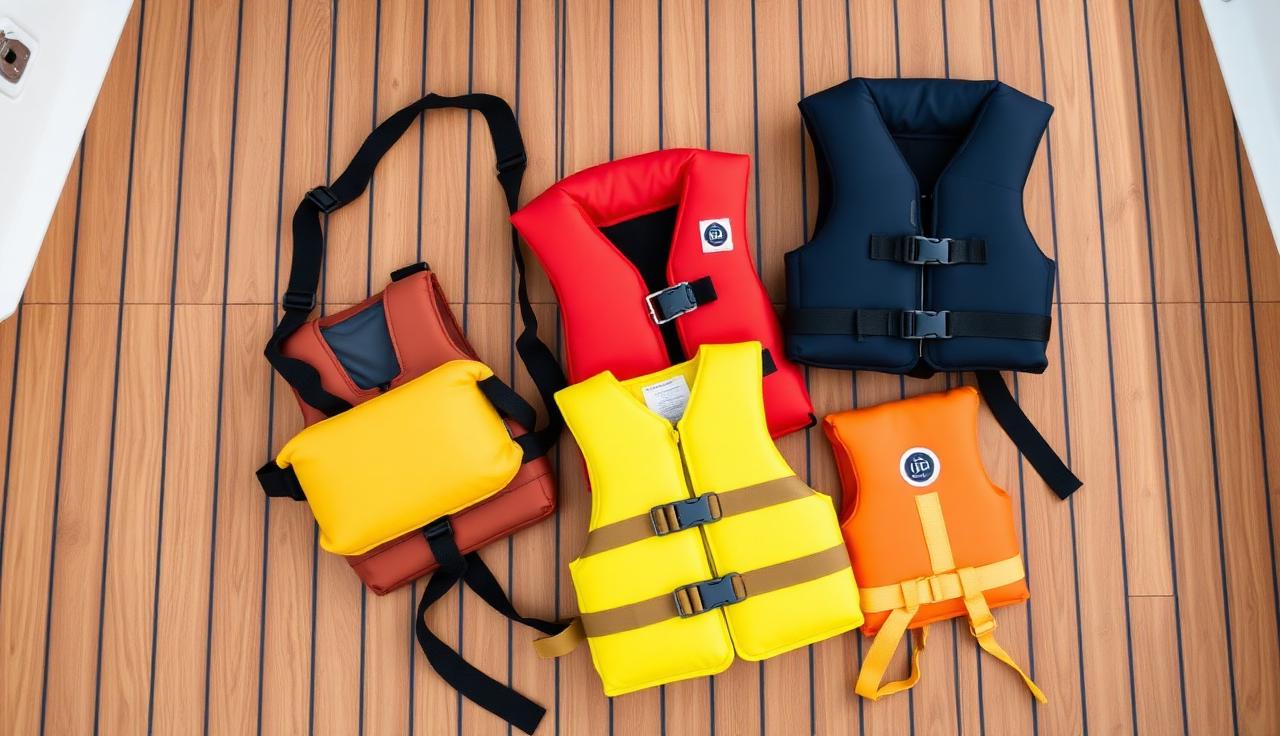
Type I (offshore): the highest buoyancy (22 lb), turns most unconscious wearers face-up. Bulky orange foam — required carry on commercial vessels offshore. Most recreational boaters keep one in a ditch bag, not on their body.
Type II (near-shore): 15.5 lb buoyancy, turns most unconscious wearers face-up. The orange horseshoe foam most parents recognize. Mandatory choice for kids in many states.
Type III (flotation aid): 15.5 lb buoyancy but does NOT reliably turn an unconscious person face-up. The category that includes most fishing, paddling, and watersports vests. The wear-rate winner because they're cut for movement.
Type IV (throwable): cushions and ring buoys. Required to be immediately accessible on boats 16 ft and over.
Type V (special use): inflatables, work vests, hybrid PFDs. Only count toward USCG carriage requirements if worn — that's the catch with inflatable belt-packs.
Our picks
 Editor's pick
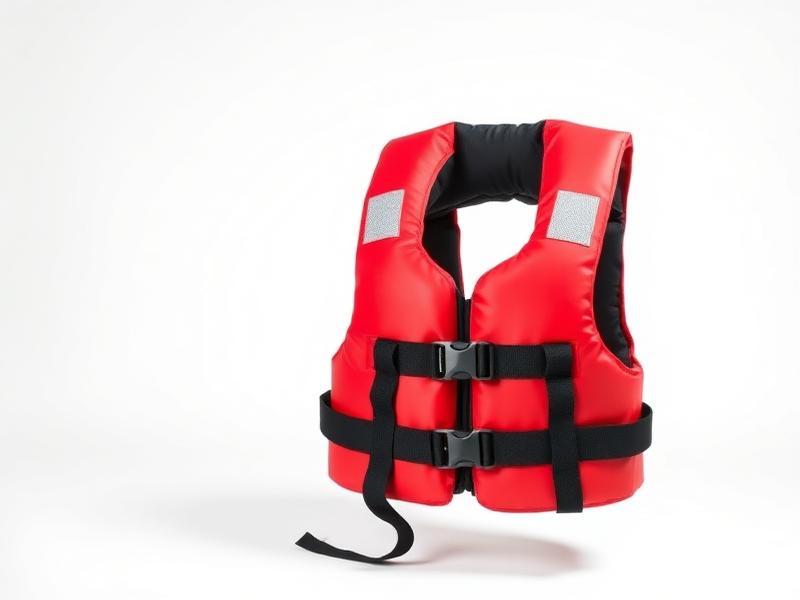
Mustang Survival HIT Inflatable
$299
- Auto-inflates on water pressure (Hammar HIT)
- 5-year service interval
- USCG Type V/II approved
- Slim, comfortable in heat
- Premium price
- Annual rearm kit ~$45
Onyx M-16 Belt Pack
$89
- Cheapest legal inflatable
- Manual pull only
- Great for hot weather, kayaking, PWC
- Manual inflation only — must be conscious
Best for kidsStohlquist EdgeWater (Kids)
$59
- High-back fits PFD-rated kayak seats
- Kid-tested durable
- Reflective trim
- USCG Type III
- Sizing runs small — try one size up
Frequently asked
Foam, always. Kids must wear a Type II/III foam PFD until age 16 by USCG rule, and inflatables aren't approved for under-16 use.